Valley Village kept more of its original housing than almost anywhere around it. Original hardwood, real plaster and divided-light windows are still common in homes built between 1940 and 1969 for people who worked at the studios. That is the good part. The other half is that eighty-year-old houses come with eighty-year-old systems, and a Valley Village, California remodel that has not budgeted for an electrical service upgrade, a repipe and foundation bolting is a remodel that grows by a third. Burbank Remodeling Contractor puts those in the number at the beginning.
Where a homeowner will let us, we open a small inspection area while we are still estimating, because guessing what is behind eighty-year-old plaster is how a bid quietly turns into a change order. That habit comes out of five generations of carpentry in Los Angeles County, better than 120 years of it, with an Air Force veteran of more than 30 years on job sites running the company today.
We will also tell you what not to touch. Original plaster is usually worth patching rather than tearing out for drywall, and original divided-light windows are usually worth restoring rather than replacing with vinyl that will date the house. Call (747) 330-0305 and we will walk it with you and give you a straight read on what is worth keeping and what genuinely needs to go.
Remodeling Homes Built for Studio Workers
Valley Village was founded in 1939 and was originally built by workers from the nearby movie studios. Most of the homes date from 1940 to 1969: early ranch houses, Spanish Colonial Revival and mid-century designs on quiet interior streets between Chandler and Magnolia.
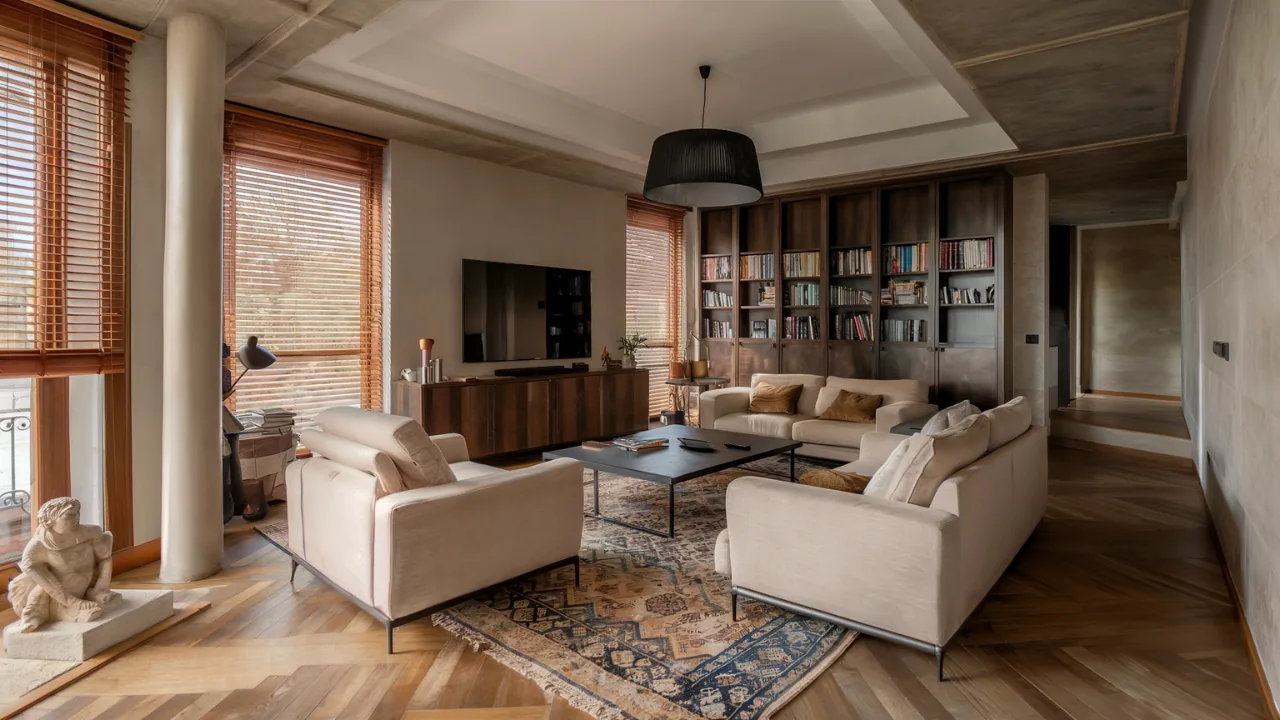
That origin shows in the construction. These were solidly built modest houses rather than estates, with good framing, real plaster and hardwood floors, laid out for a family that did not expect an open plan. The work worth doing is usually opening the kitchen into the living space, adding a second bathroom, and bringing the systems into this century without stripping out what makes the house pleasant.
One of the Valley's More Intact Vintage-Home Pockets
Compared with neighborhoods where most houses have been flipped twice, Valley Village retains a surprising amount of original material. Original hardwood, plaster walls and divided-light windows are still common here, and remodels tend toward restoration-minded updates rather than teardowns.
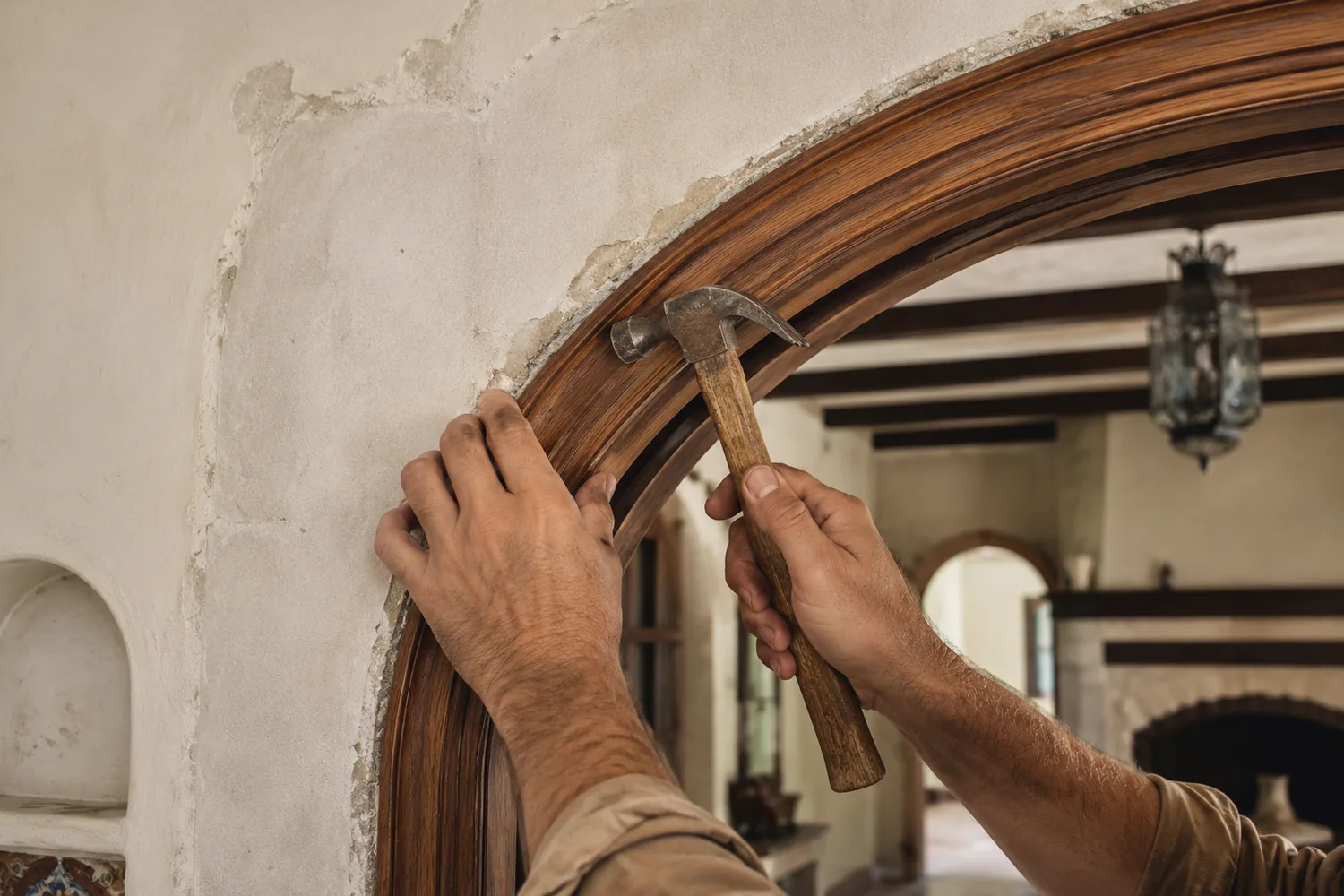
Our default recommendation reflects that. Refinish the original oak rather than covering it. Repair and patch plaster rather than gutting to drywall, since plaster is harder, flatter and quieter than anything that would replace it. Restore the divided-light sash and add proper weatherstripping rather than swapping to vinyl, which is the single change that most visibly cheapens a house of this era.
A Neighborhood That Insists It Is Not North Hollywood
Valley Village separated its identity from North Hollywood deliberately, and residents here are noticeably invested in the distinction. Local landmarks like the 1949 Valley Village Plaza and the 1934 Art Deco era theater anchor that identity.
It matters practically because it tells you what buyers here are looking for. This is not a market rewarding a house stripped to a generic flip finish. It rewards houses where somebody kept the character and did the work properly, which happens to be what we are set up to do.
The Standard Valley Village Systems Scope
Compact lots and systems that are now eighty years old make the bread-and-butter work here electrical service upgrades, foundation bolting and kitchen and bathroom remodels in houses that were never fully updated.
The electrical is the most urgent piece. A 1940s house on a fuse box or a 100-amp panel cannot support a modern household, and any addition or significant remodel will require the upgrade anyway. Foundation bolting is the other one: raised-foundation houses of this era were built before anyone bolted anything, and the retrofit is inexpensive while the crawl space is already open.
Where We Work in Valley Village
Talk to someone who will tell you what to keep
Tell us what the house needs. We will price the systems work honestly and say plainly which original details are worth restoring.
Call (747) 330-0305Frequently asked questions
Is it worth restoring original plaster instead of replacing it with drywall?
In most cases yes. Plaster is harder, more sound-resistant and flatter than drywall, and cracks are usually movement rather than failure of the plaster itself. Loose areas can be reattached to the lath and damaged sections patched in three coats to match. Gutting sound plaster is throwing away a better material.
Should I replace divided-light windows with modern ones?
Generally not on a house of this era. Original sash from old-growth timber can be restored, reglazed and weatherstripped to perform well and will outlast a vinyl replacement. It is also the detail that most defines these houses from the street, and swapping it is the fastest way to make a 1940s house look like a rental.
How much can I add to a Valley Village lot?
Lots here are compact, so additions are usually modest and pointed at the rear yard. A primary suite or a family room extension is typically achievable. Whether an ADU fits depends on what is left of the back yard after setbacks, and it is a parcel-by-parcel answer we check before design.
Do you do foundation bolting?
Yes, and we recommend it on any raised-foundation house of this era where it has not been done. It involves anchoring the sill plate to the foundation and bracing the cripple walls with plywood. It is relatively inexpensive, especially during a remodel when the crawl space is already open, and California has offered grant programs that offset part of the cost.