Burbank Remodeling Contractor renovates duplexes, triplexes, fourplexes and small apartment buildings in Burbank, California. This is a different job from remodeling a house, and the difference is not construction technique. It is that the client is running a business, the building is generating income while we work, and every decision gets measured against what it does to rent and vacancy.
The east Valley is full of these buildings: 1950s and 1960s stucco courtyard properties and dingbats with tuck-under parking, mostly still on original systems. Call (747) 330-0305 and we will talk through a scope that works building-wide rather than one unit at a time.
Renovating Around Occupied Units
The scheduling question comes first: are we working in vacant units, occupied units, or both. Vacant-unit turnovers are straightforward and the priority is speed, since every day of construction is a day of lost rent. Work in occupied buildings has to be sequenced around real people, with noise limited to reasonable hours, water shutoffs noticed in advance, and a clean, secure site every single evening.
Common area and exterior work affects everyone in the building at once. We stage it so access, parking and laundry stay usable, because a renovation that makes the building miserable to live in produces vacancies that cost more than the work.
Where the Money Goes in a Small Multifamily Renovation
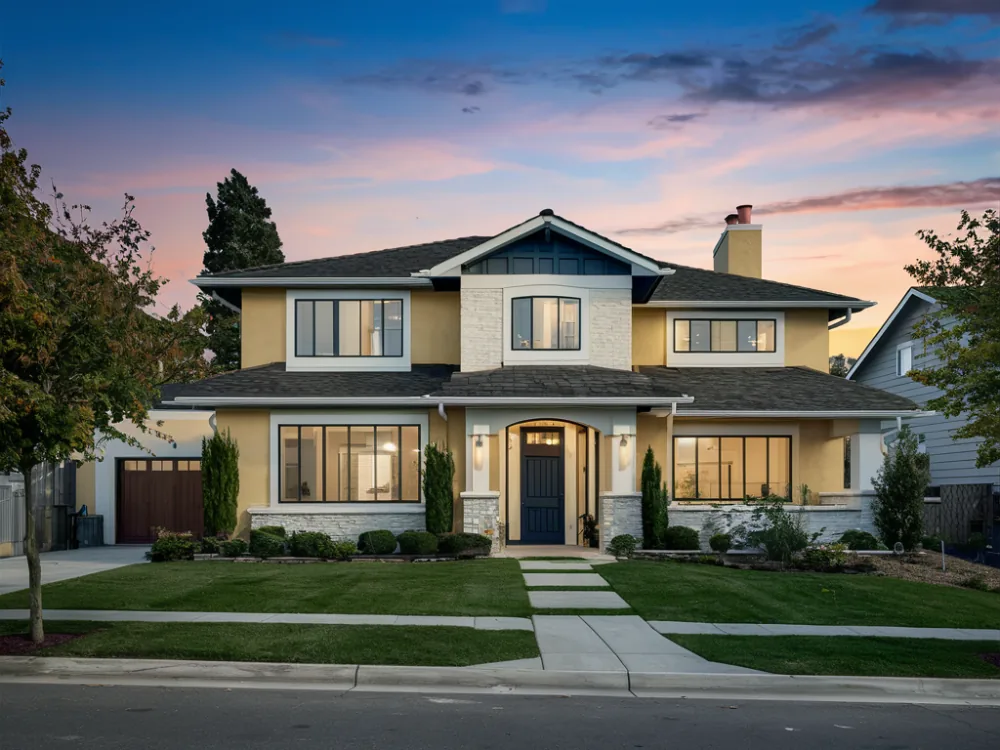
Unit Turnovers
Kitchen and bath, flooring, paint, fixtures and hardware in a vacant unit. Specified for durability and for repeatability across a building, so future turnovers use the same finishes and the same parts inventory.
Building Systems
The unglamorous work that actually protects the asset: repiping out of galvanized, panel and service upgrades, sewer lateral replacement, and roof. Deferring these produces emergencies at the worst possible time.
Curb Appeal and Common Areas
Entry, mailboxes, lighting, landscape, laundry and paint. The cheapest rent lift per dollar in most small buildings, because it changes the impression before a prospective tenant sees a single unit.
Adding Units
Converting underused space, tuck-under parking or storage into additional dwellings where the zoning and state law allow. The largest available increase in a small building's income, and the most involved permitting path.
Soft-Story Retrofit and Seismic Work on Older Buildings
A lot of the small apartment stock built here between the 1950s and 1970s has tuck-under parking, meaning the ground floor is largely open where cars park and the units sit above. That is a soft story, and it is the configuration that failed most visibly in past California earthquakes.
Retrofitting means adding a moment frame or shear walls at the open ground level, engineered and permitted. Whether it is mandated depends on the jurisdiction and the building, and the reasons to do it voluntarily are insurance, tenant safety and the fact that it is far cheaper than the alternative outcome. We coordinate the engineering and the construction, and we sequence it to keep parking usable as much as possible.
On an older tuck-under building, price the seismic retrofit before the kitchen finishes. One protects the asset and the other decorates it.
Specifying for Rental Rather Than for Yourself
The finishes that make sense in an owner-occupied kitchen are frequently the wrong choice in a rental. Materials get specified for durability, for how they clean, and for whether a damaged piece can be replaced in five years without redoing the whole run. Quartz over marble. Solid-surface or good-quality LVP over anything that swells. Standard fixture models a plumber can source locally rather than an import with a twelve-week part lead time.
The other thing to get right is consistency across the building. When all six units share the same finish package, maintenance stocks one set of parts, turnovers get faster and the whole thing costs less to run. We keep a specification list for every building we work on for exactly that reason.
Talk to a Burbank general contractor about your project
Tell us what you have in mind and we will give you a straight answer on scope, permits, timeline and price.
Call (747) 330-0305Frequently asked questions
Can you work in an occupied building?
Yes, and most of our multifamily work is in occupied buildings. It means limiting noisy work to reasonable hours, giving real notice before any utility interruption, keeping access and parking usable, and leaving the site clean and secured every night. It takes more coordination than a vacant building and it protects the rent roll.
How fast can you turn a vacant unit?
A standard turnover with kitchen, bath, flooring and paint typically runs three to six weeks depending on scope and permit requirements. Cosmetic-only turns are faster. When several units are coming vacant, running them in sequence with the same crew is meaningfully faster and cheaper per unit than doing them one at a time months apart.
Do renovations trigger rent control issues in Burbank?
Rules around rent, tenancy and any temporary displacement vary by jurisdiction and change over time, and they are legal questions rather than construction questions. We schedule and scope the work in whatever way your attorney or property manager advises, and we are used to working within those constraints.
Is it worth adding units to a small building?
Frequently, yes. Converting underused space into an additional dwelling adds income permanently and typically increases the building's value by a multiple of the construction cost. Whether it is possible depends on zoning, parking, the building's structure and current state law, and that feasibility review is the first step rather than the drawings.